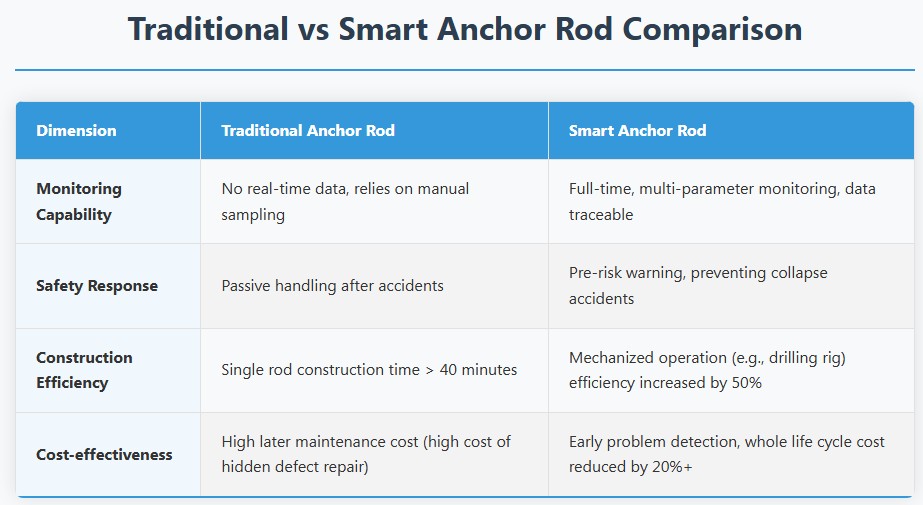
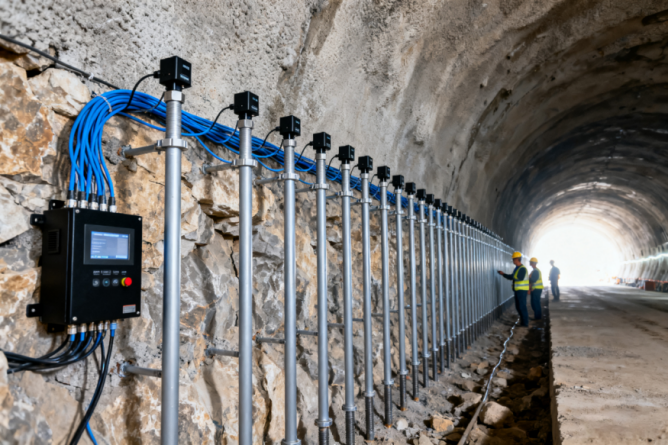
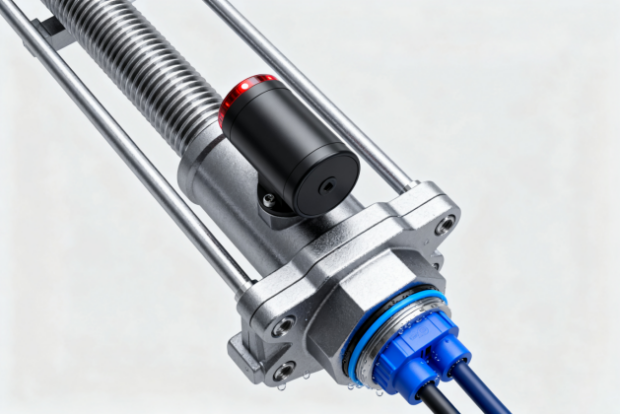
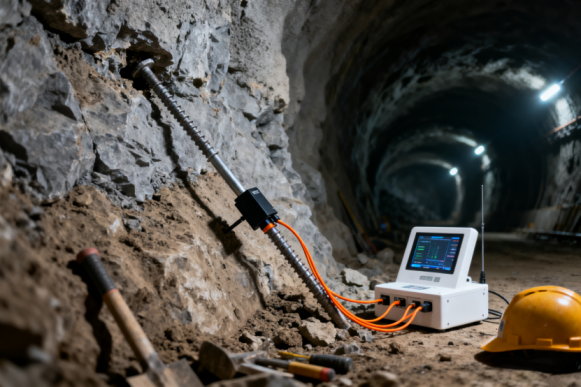
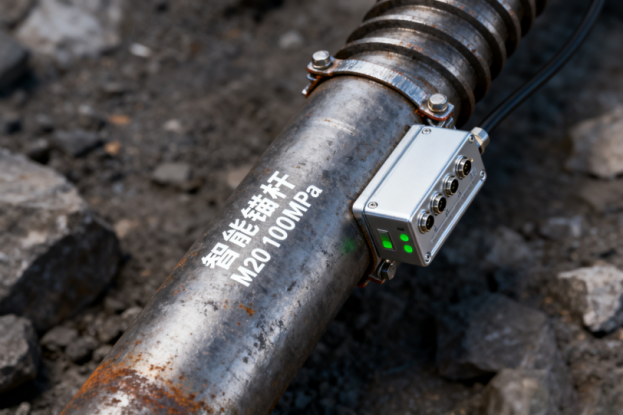


Smart rock bolt is a revolutionary support technology in the field of geotechnical engineering. By integrating sensors, data acquisition and analysis systems, it realizes real-time monitoring and intelligent control of the anchor bolt's own state and the stability of the surrounding rock. Its core value lies in upgrading the traditional passive support to an active perception and early warning system, which significantly improves engineering safety and construction efficiency. The following is an explanation from the aspects of technical principles, core functions, application scenarios and industry trends:
1. Technical Principles and Structural Innovation
Smart rock bolt is based on traditional rock bolts, and its function is upgraded through multi-dimensional sensor integration and intelligent algorithm fusion:
1). Sensor System:
· Distributed optical fiber sensors: Arranged along the axial direction and spiral groove of the anchor rod, based on Optical Frequency Domain Reflectometry (OFDR) technology, they can simultaneously monitor axial tension, torsion and bending deformation, with an accuracy of ±0.01mm/m. For example, the self-sensing smart rock bolt can capture the three-dimensional deformation law of the surrounding rock of the tunnel through the optical fiber layout of the straight groove and the spiral groove, and the information integrity is improved by 300% compared with the traditional point sensor.
· Pressure/torque sensor: Integrated in the anchor head or grouting interface to collect parameters such as anchoring force and grouting pressure in real time. For example, the MR (S) series intelligent pull-out instrument of Beijing Shanshui Xinke can display the force value curve in real time through a high-precision pressure sensor, and the storage capacity is up to 200 pieces of data.
2). Data Processing and Transmission:
· Adopting the edge computing + cloud analysis architecture, the data collected underground is transmitted to the ground server via Bluetooth/WiFi/5G, and early warning signals are generated after analysis by machine learning algorithms. For example, the intelligent management system of Shandong Cisco Said can automatically determine whether the anchoring force meets the standard, and the unqualified data will be alarmed immediately, eliminating manual reading errors.
2. Core Functions and Technical Advantages
(1) Full life cycle monitoring capability
1). Construction process control:
· Grouting link: Real-time monitoring of grouting pressure and flow through the intelligent grouting joint. When the pressure reaches the design value, the grouting is automatically stopped and the pressure is released to avoid under-grouting or over-grouting. For example, in the application of the IT25 intelligent hollow grouting anchor bolt in the Daxiangling Tunnel, the grouting fullness is 40% higher than that of traditional anchor bolts.
· Installation quality verification: Integrated anchor rod length detection module, which can identify cutting corners. A tunnel project found that the actual length of 3% of the anchor rods was less than the design value through the monitoring of smart anchor rods, and the rework was carried out in time to avoid potential safety hazards.
2). In-service status warning:
· Real-time monitoring of the stress change of the surrounding rock. When the deformation rate exceeds the threshold (such as 0.1mm/h), the system will automatically trigger an audible and visual alarm and push it to the management personnel terminal. The anchor rod trolley of Sichuan Zuan Shen controls the drilling angle error within ±0.5° through 3D geological modeling and intelligent guidance system in water conservancy projects, and the support strength is increased by 30%.
(2) Comparative advantages with traditional rock bolts