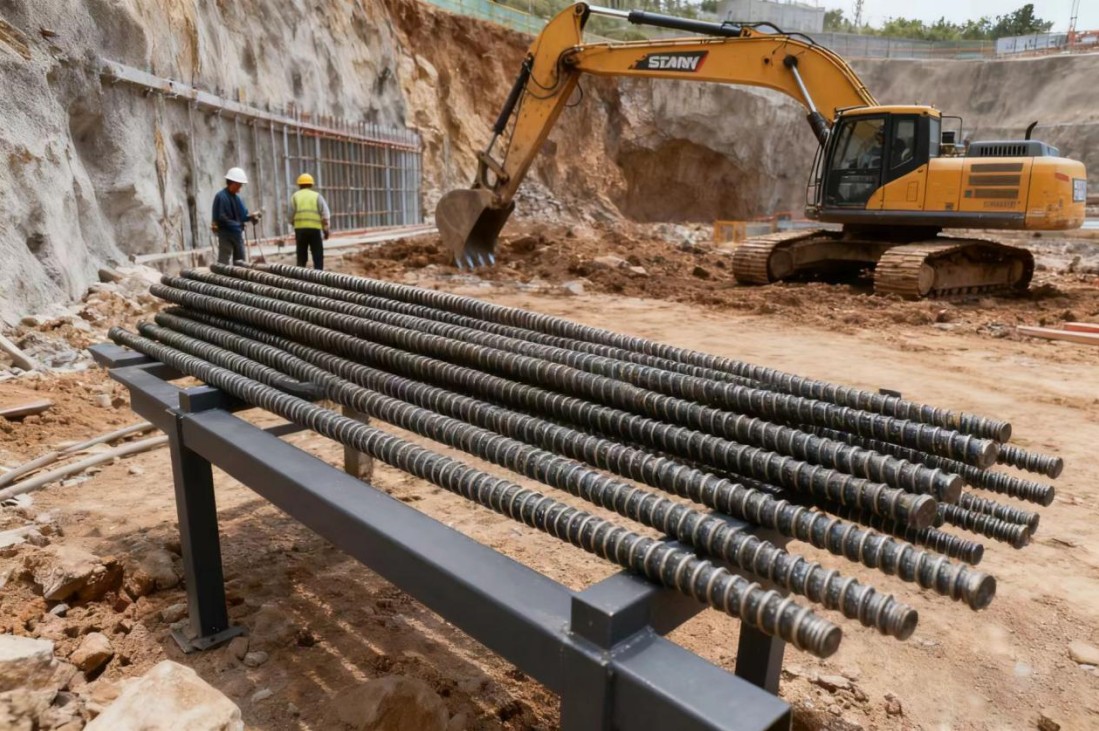


Basalt fiber rock bolt is a new type of engineering support material formed by using continuous basalt fiber as a reinforcement and compounding it with a specific resin matrix (such as special composite high-performance epoxy resin). Its full name is "Basalt Fiber Reinforced Polymer/BFRP rock bolt". Relying on the natural characteristics of basalt fiber and the structural advantages of composite materials, it has gradually become a traditional in the field of geotechnical engineering support.
1. Core Composition and Forming Process
1).MainComponents
Reinforcement: Basalt Fiber
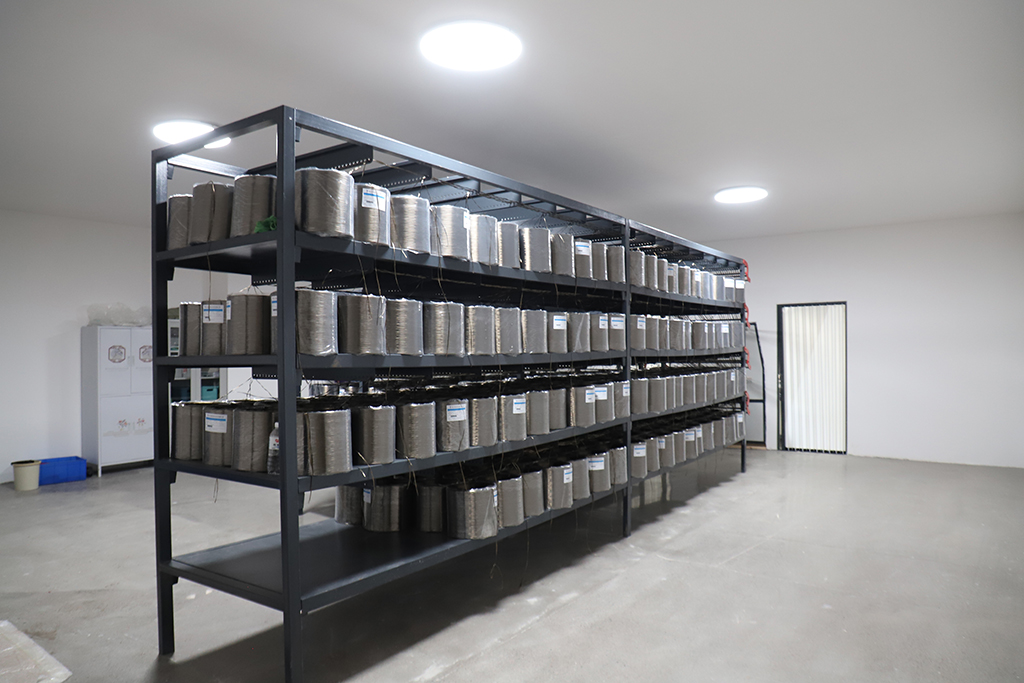
It is an inorganic fiber made from natural basalt ore as raw material, melted at a high temperature of 1450℃~1500℃, and then drawn at high speed through a bushing plate. Its diameter is usually 13μm~20μm, and the monofilament strength can reach 3000MPa~4800MPa. It also has natural advantages such as high and low temperature resistance, corrosion resistance, and non-magnetic properties.
Matrix: Polymer Resin
As a binder, it "integrates" the dispersed basalt fibers into a whole, giving the rock bolt certain toughness, impact resistance and formability. Commonly used resins need to meet the engineering requirements for aging resistance and resistance to medium corrosion (such as groundwater, acid and alkali environments).
Auxiliary Structure
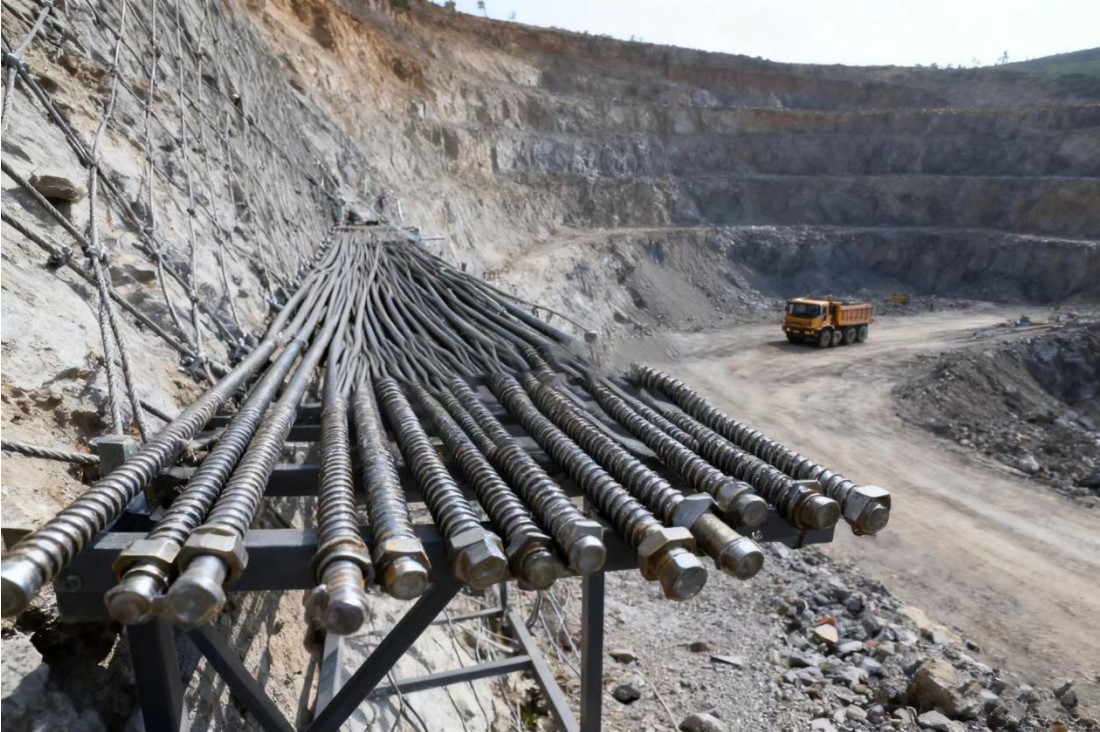
Finished rock bolts are usually equipped with accessories such as anchor heads, plates, and nuts. Some intelligent basalt rock bolts will be embedded with monitoring components such as fiber Bragg grating sensors to achieve real-time perception of the support status.
2).Forming Process
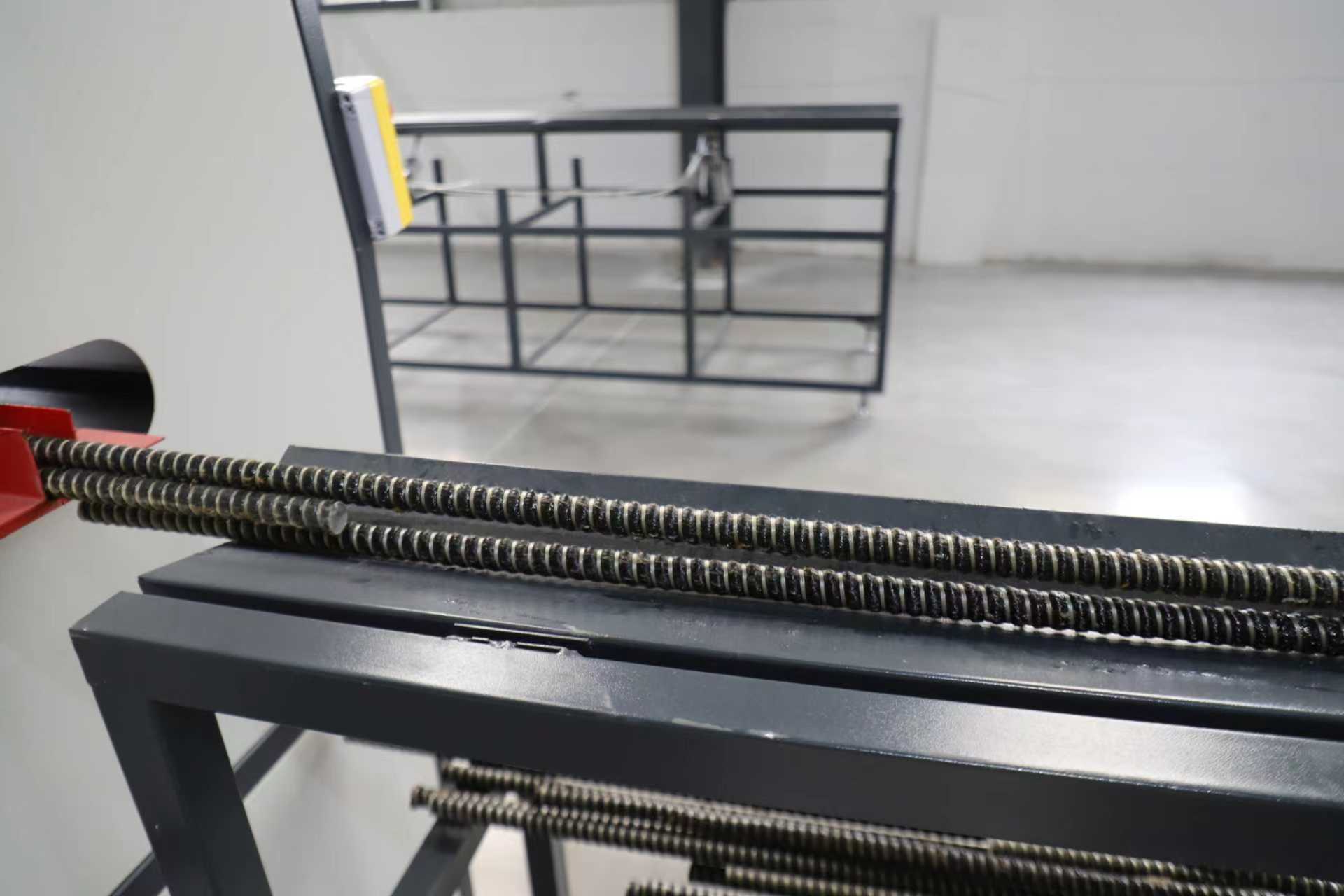
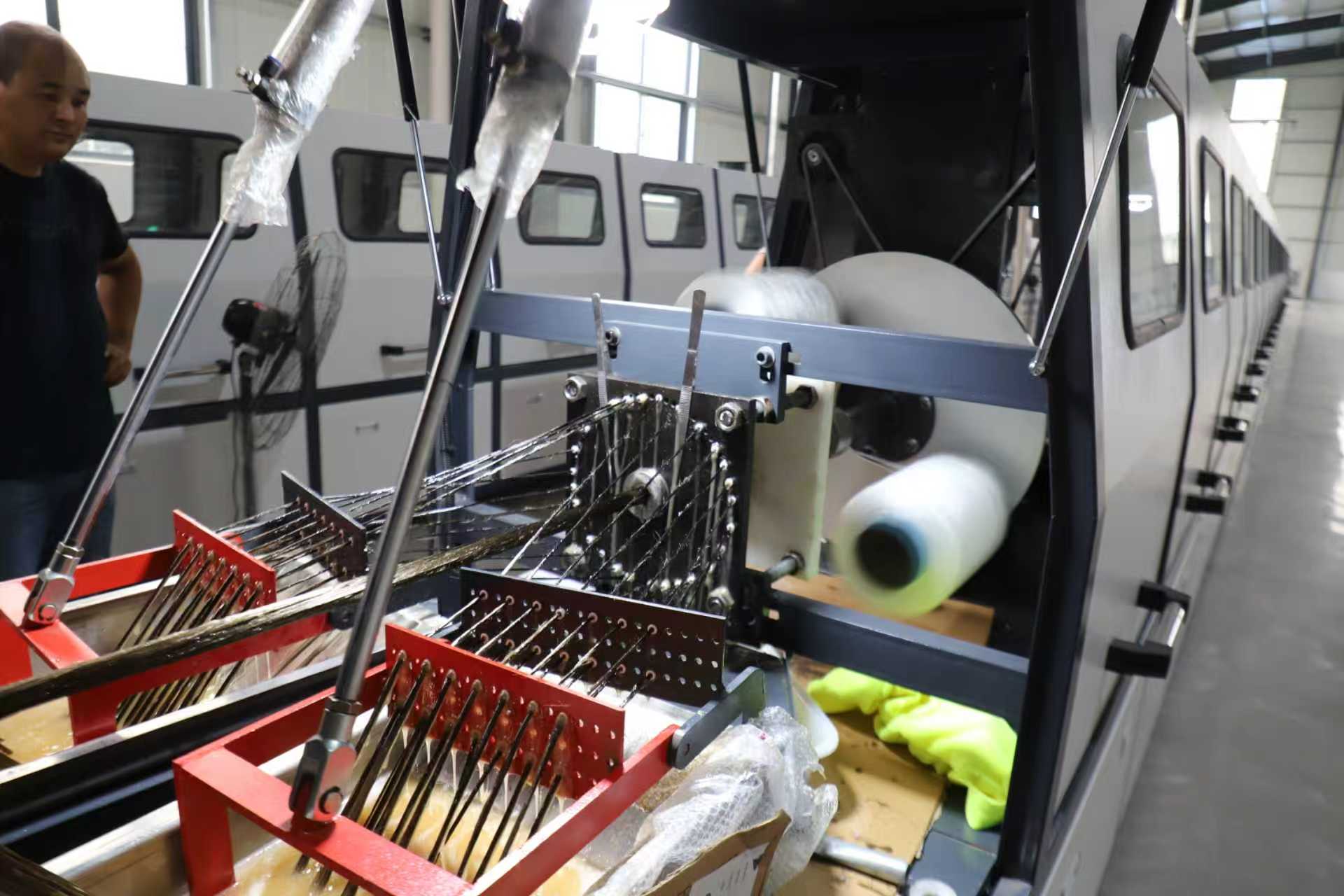
The mainstream adopts the "pultrusion molding process": after the continuous basalt fiber bundle is fully infiltrated in the resin impregnation tank, it is pulled into the heating mold by the traction equipment, and through curing, forming, and cutting to a fixed length, the anchor rod body with a circular, threaded or special-shaped cross-section is finally formed. This process can achieve large-scale production and can accurately control the mechanical properties and dimensional accuracy of the rock bolt.
2. Key Performance Characteristics
1). Mechanical properties are adapted to support needs
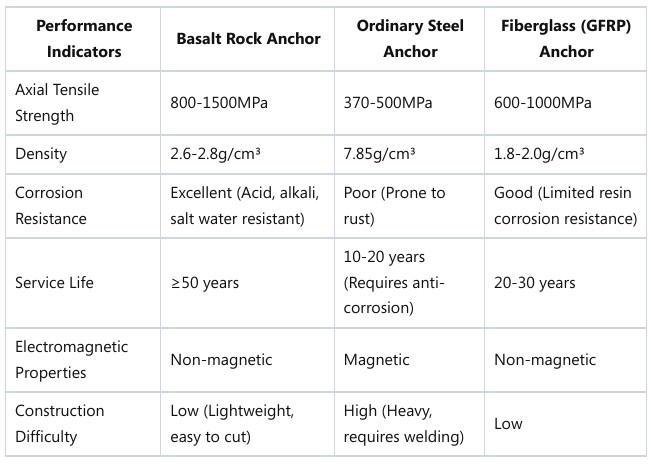
The axial tensile strength of basalt rock bolts can reach 800MPa~1500MPa, which is much higher than that of ordinary Q235 steel rock bolts (about 370MPa), and the elastic modulus is close to that of rock mass and concrete (about 40GPa~55GPa). When subjected to force, it can deform synchronously with the surrounding rock, avoiding local stress concentration caused by "rigid mismatch" and improving support stability. In addition, its elongation at break is about 2%~3%, which has both strength and certain toughness, and its impact resistance is better than that of glass fiber rock bolts.
2). Outstanding corrosion resistance
Basalt fiber itself is an inorganic material and does not chemically react with media such as water, acid, alkali, and salt. After being combined with a corrosion-resistant resin matrix, it can completely resist the erosion of underground brine, acidic water in mines, and coastal saline-alkali environments. In contrast, traditional steel rock bolts are prone to rust in humid or corrosive environments, leading to a reduction in cross-section and a decrease in bearing capacity. The service life of basalt rock bolts can reach more than 50 years without additional anti-corrosion treatment.
3). Lightweight and easy to construct
The density of basalt rock bolts is only 2.6g/cm³~2.8g/cm³, which is about 1/3 of that of steel. The weight of a single 6m long rock bolt is less than 10kg, which greatly reduces the difficulty of handling and installation in narrow spaces such as underground and tunnels. At the same time, its rod body can be quickly cut off by an ordinary cutting machine without special welding equipment, and the construction efficiency is more than 30% higher than that of metal rock bolts.
4). Environmentally friendly and non-magnetic
Environmental protection: The production process has no waste gas or waste residue emissions (basalt is a natural ore, and fiber forming only requires physical melting). After being discarded, it can be naturally degraded and will not produce "white pollution", which is in line with the concept of green engineering.
Non-magnetic: It does not produce electromagnetic interference and is suitable for support scenarios that are sensitive to the electromagnetic environment, such as underground coal mines and around precision instrument factories, and does not affect the use of detection equipment such as ground penetrating radar.
5). Designability and functional expandability
By adjusting the fiber content (usually 70%~75%), resin type or cross-sectional structure, rock bolt products with different bearing capacities and corrosion resistance levels can be customized. More importantly, basalt fiber is highly compatible with optical fiber sensing components. Fiber Bragg grating sensors can be embedded in the rod body to make it intelligent.
3. Primary Application Scenarios
Thanks to its superior overall performance, basalt fiber rock bolts have been widely adopted in geotechnical support projects across multiple sectors:
Mining Operations:
Suitable for roadway support and goaf reinforcement in coal and metal mines. Particularly well-suited for complex mining environments with high methane content and high corrosion potential, where traditional steel bolts are prone to rust-induced failure.
Tunnels and Underground Construction:
Used in primary support systems (combined rock bolt and shotcrete support) for highway and railway tunnels, as well as for slope stabilization in subway excavations and underground utility corridors. Their lightweight nature helps reduce the load on tunnel crowns.
Slope and Excavation Support:
Ideal for shallow or deep reinforcement of slopes and excavations in hydraulic engineering, highways, and building foundations. Their excellent corrosion resistance makes them especially suitable for humid environments such as rainy regions or coastal areas.
Cultural Heritage Preservation and Specialized Projects:
Applied in foundation reinforcement of historic structures and support around nuclear waste repositories, where their non-magnetic properties and low environmental impact meet the stringent requirements of sensitive applications.